Imagine this: a container of premium Indian spices, carefully grown and harvested, arrives at a European port. The buyer is eager, the contract is signed, but then everything grinds to a halt. The shipment is flagged, detained, and ultimately rejected. The reason? A tiny, invisible trace of a pesticide exceeded the legal limit by a minuscule amount.
This scenario isn’t just a hypothetical problem; it’s a costly reality for many agri-food exporters. As the world’s appetite for high-quality Indian products grows, so does the scrutiny on food safety. Navigating the complex world of pesticide residues and international compliance is no longer optional—it’s the critical passport your products need to enter global markets.
This guide is for you. Whether you’re a procurement manager, a quality control professional, or an exporter, we’ll break down the essentials of pesticide residue analysis and Maximum Residue Limits (MRLs). Think of this as your friendly coffee conversation to demystify the science, untangle the regulations, and empower you to export with confidence.
Why this matters to beginners
The Foundation: Understanding the Core Concepts
Before diving into the complex regulations and testing methods, let’s get on the same page with the fundamentals.
What Are Pesticide Residues?
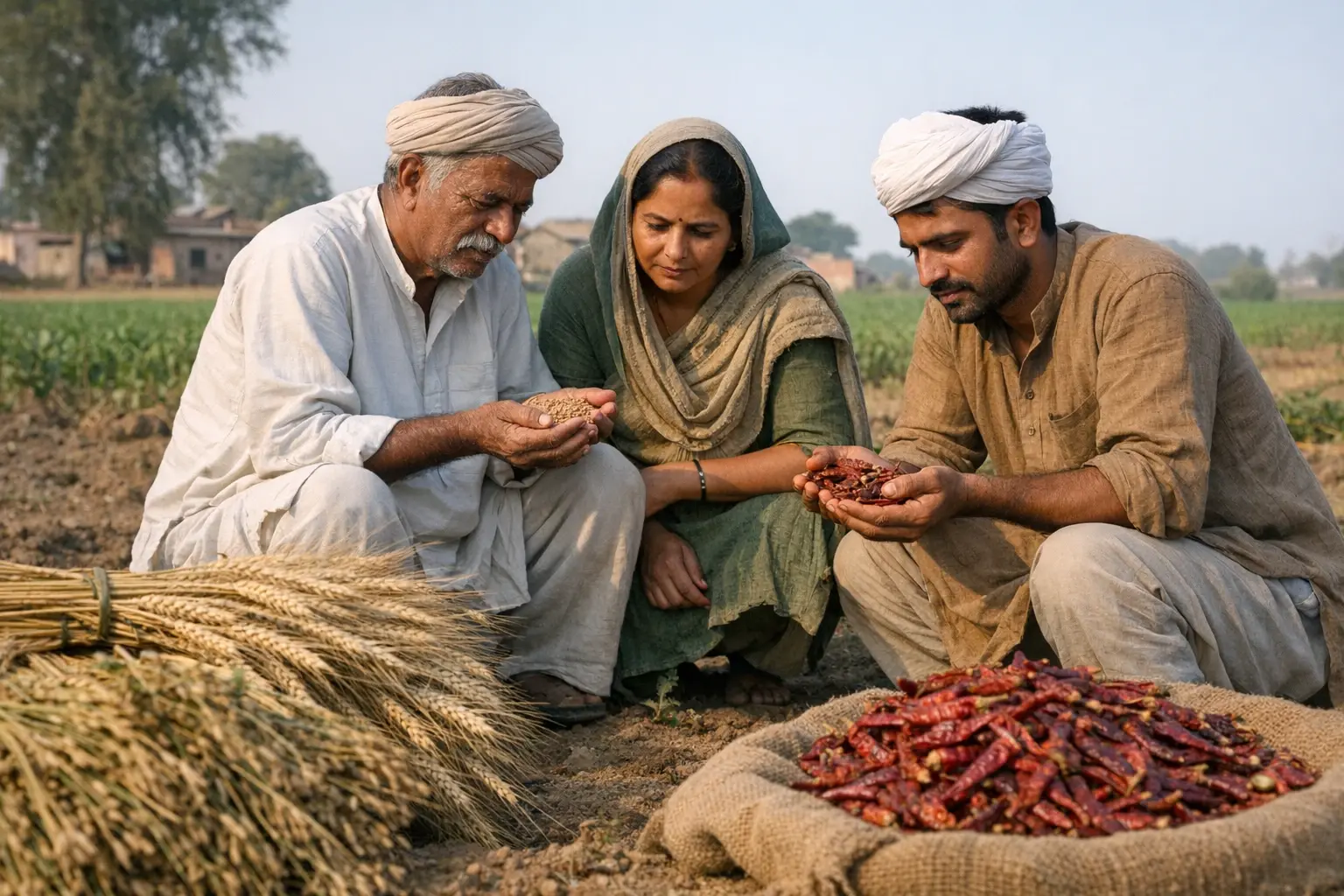
Simply put, pesticide residues are the trace amounts of pesticides that remain in or on food products after they have been applied to crops. These can include the original pesticide compound as well as any substances it breaks down into. While modern farming relies on pesticides to protect crops, managing these residues is essential for consumer safety.
What Are Maximum Residue Limits (MRLs)?
This is the most important term to understand. A Maximum Residue Limit (MRL) is the highest level of a pesticide residue that is legally tolerated in or on a food or feed commodity when pesticides are applied correctly according to Good Agricultural Practice (GAP).
Here’s an “aha moment” that reframes the concept:
- An MRL is not a toxicity limit. It’s a trading standard based on safe, approved usage.
- Think of an MRL as a legal passport for your product. If the residue level is below the MRL for the destination country, your product is cleared for entry. If it’s above, the gate is closed.
MRLs are established by regulatory bodies after rigorous scientific assessment to ensure that the amount of residue a person might consume over a lifetime remains well within safety margins.
Navigating the Global MRL Maze: India vs. The World
This is where things get tricky. An MRL for a specific pesticide on a specific crop in India might be completely different from the MRL in the European Union or the United States. This lack of harmonization is one of the biggest challenges for Indian exporters.
Here are the key players you need to know:
- India (FSSAI): The Food Safety and Standards Authority of India sets the MRLs for products sold within India. These are often aligned with national agricultural practices.
- European Union (EU): Known for having some of the strictest MRLs in the world. The EU often has a low default MRL of 0.01 mg/kg for pesticides without a specific limit, making compliance a significant hurdle.
- United States (EPA): The Environmental Protection Agency sets “tolerances,” which are the U.S. equivalent of MRLs.
- Codex Alimentarius Commission: A joint body of the World Health Organization (WHO) and the Food and Agriculture Organization (FAO), Codex sets international food standards to facilitate fair trade and protect consumer health. Many countries use Codex MRLs as a baseline.
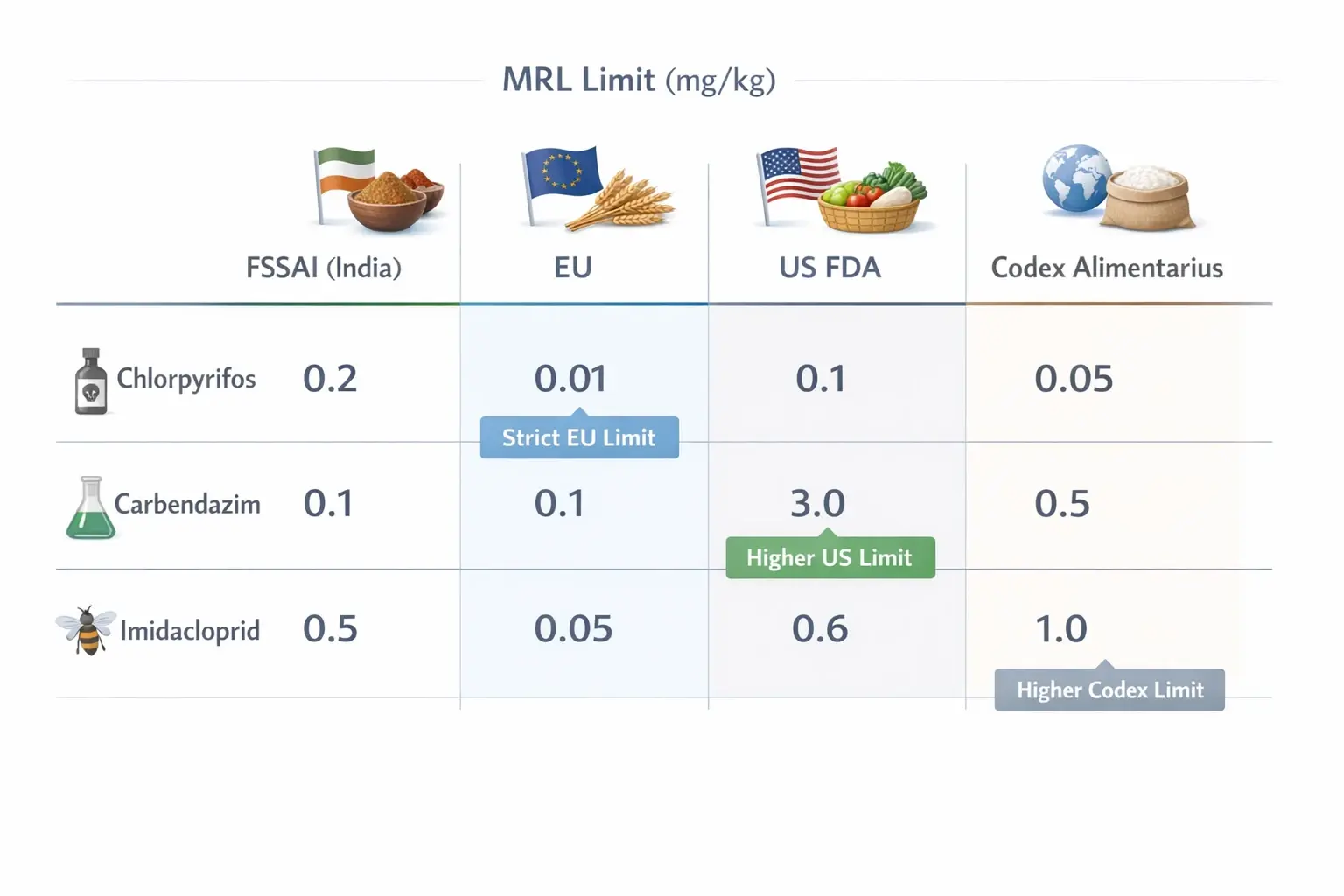
The key takeaway? You must comply with the MRLs of the country you are exporting to, not just India’s domestic standards. This requires a deep understanding of your target market’s regulations and a robust quality assurance to match.
The “Processing Factor”: How Cooking and Processing Change Everything
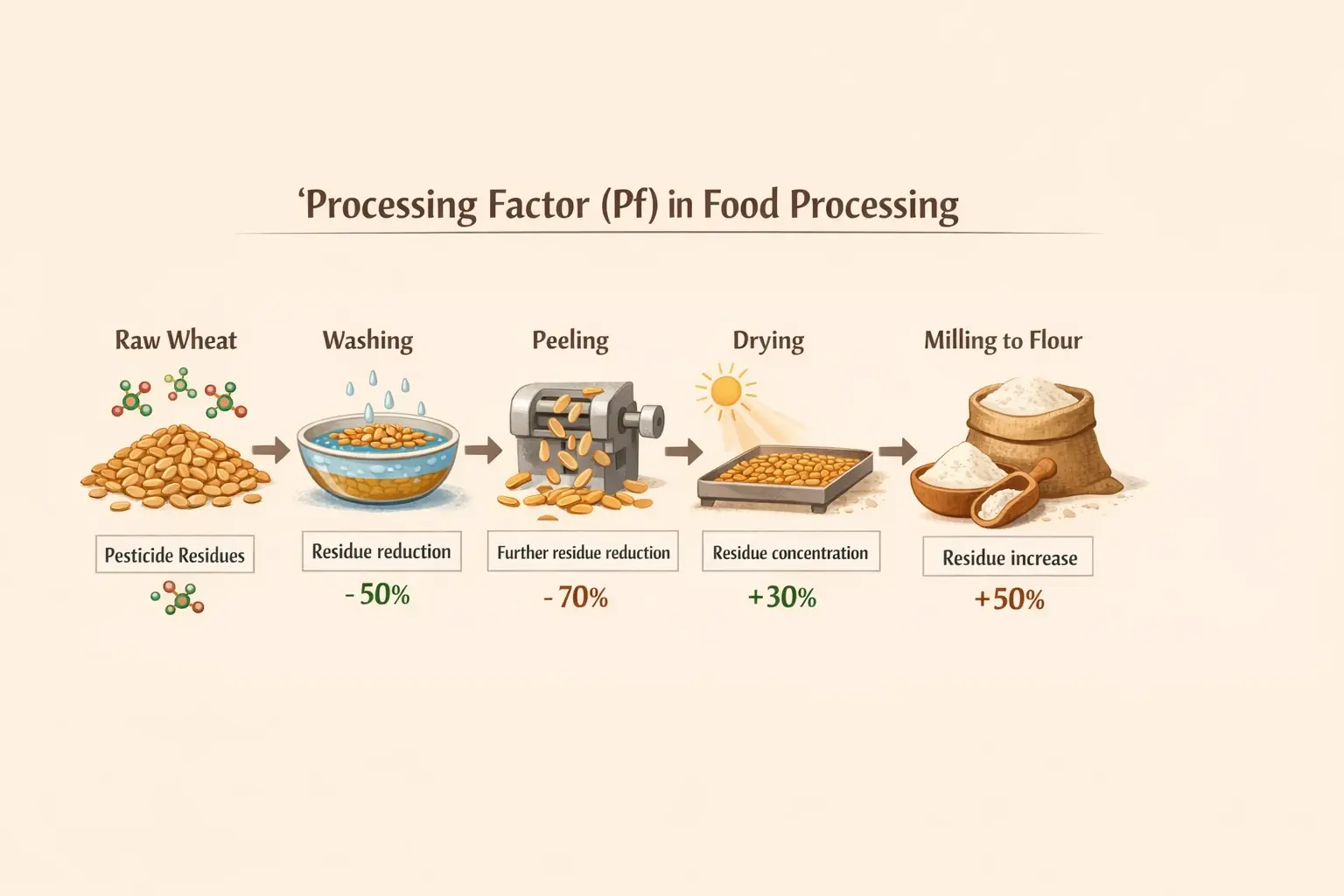
Have you ever wondered what happens to pesticide residues when a raw agricultural commodity (like wheat) is processed into something else (like flour or bread)? This transformation is measured by something called the Processing Factor (Pf).
- If a process reduces the residue concentration (e.g., peeling an apple or washing vegetables), the Pf is less than 1.
- If a process concentrates the residue (e.g., drying grapes into raisins or pressing oilseeds into oil), the Pf is greater than 1.
Understanding the Pf is critical because regulators use it to set MRLs for processed foods. For example, if the MRL for a pesticide on raw coconuts is 0.5 mg/kg and the Pf for producing coconut oil concentrates it by a factor of 3, the derived MRL for the oil might be 1.5 mg/kg. An expert partner in custom procurement can help navigate these technical nuances.
Inside the Lab: How is Pesticide Residue Analysis Done?
Confirming that your product meets MRLs isn’t guesswork; it requires highly sophisticated laboratory analysis. The goal is to accurately detect and quantify hundreds of different pesticide residues down to parts per billion.
The Importance of Sampling
The entire process starts with a representative sample. If the sample doesn’t accurately reflect the entire batch or shipment, the test results are meaningless. Proper sampling protocols are the first line of defense in reliable analysis.
The “Molecular Detectives”
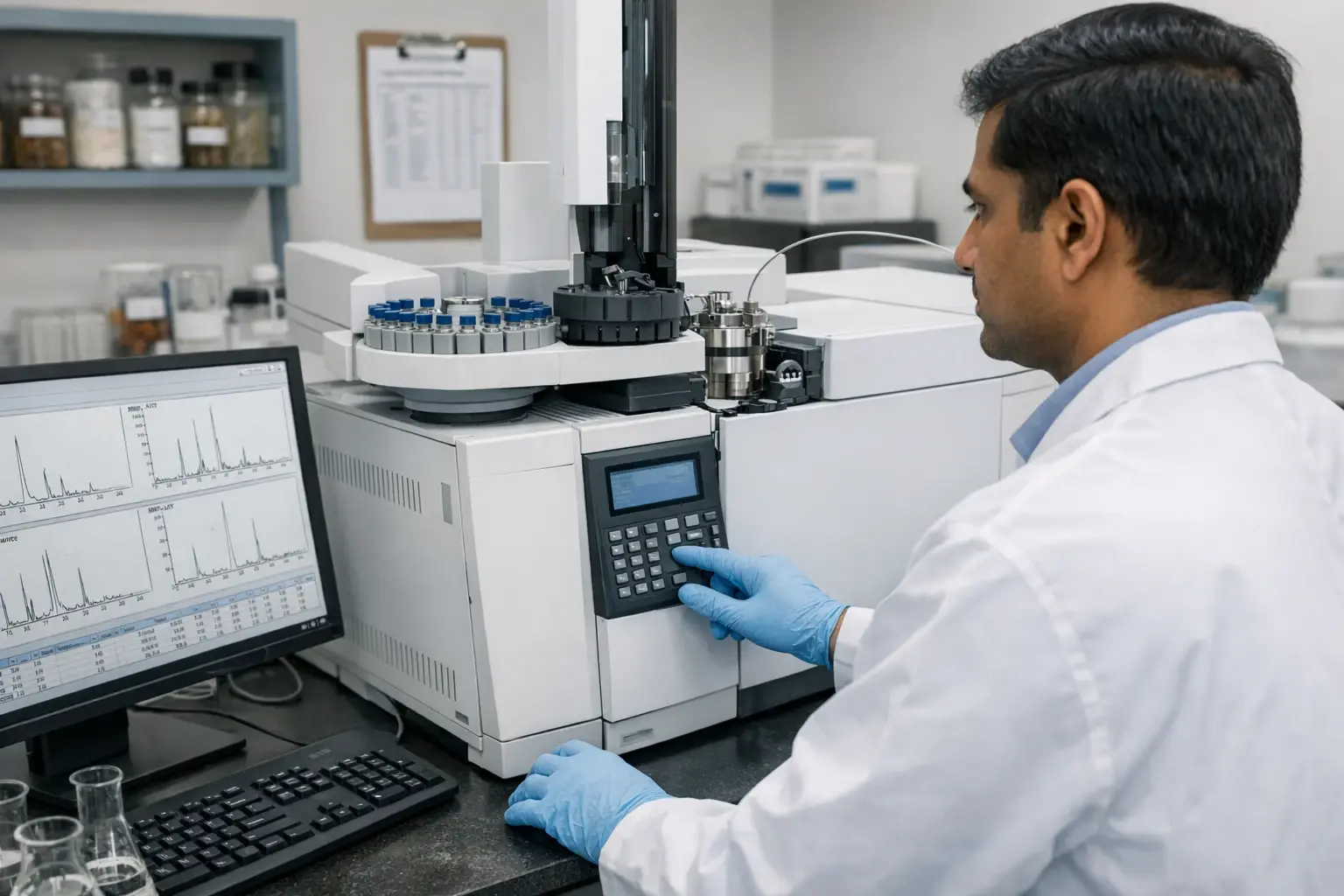
Inside an accredited lab, scientists use powerful analytical instruments to find what’s hidden. The two primary workhorses are:
- Gas Chromatography (GC-MS/MS): Ideal for detecting pesticides that are volatile (can easily turn into gas). The sample is heated, the compounds are separated in a long column, and a mass spectrometer identifies them based on their unique molecular weight and fragmentation pattern.
- Liquid Chromatography (LC-MS/MS): The go-to method for pesticides that are not volatile and are often found in complex food matrices. It separates compounds in a liquid state before the mass spectrometer does its detective work.
These technologies allow labs to screen for a vast number of residues simultaneously with incredible precision, ensuring that a product is safe and compliant before it ships.
Best Practices for Exporters: From Farm to Port
Compliance isn’t just a lab test; it’s a philosophy that must be embedded throughout your supply chain.
- Start at the Source: Work with growers who practice Good Agricultural Practices (GAP) and Integrated Pest Management (IPM). This means using approved pesticides at the correct dosage and observing the proper pre-harvest intervals. Robust supplier qualification is non-negotiable.
- Know Your Market: Before you even plant a seed or sign a contract, identify the MRL requirements for your target export destination. This dictates the entire pest management strategy.
- Implement Traceability: You must be able to trace your product back to the farm it came from. This is crucial for isolating any issues and demonstrating control over your supply chain.
- Partner with Accredited Labs: Don’t cut corners on testing. Use labs that are accredited to ISO/IEC 17025 and recognized by relevant authorities. They can provide the reliable Pesticide Residue Certificate required for export.
- Stay Informed: MRLs are not static. They change frequently as new scientific data emerges. Work with partners who stay on top of these regulatory shifts to avoid surprises.
Frequently Asked Questions (FAQ)
Q1: What are MRLs in simple terms?
MRLs (Maximum Residue Limits) are the legally permissible levels of pesticide residues in food products. They act as a safety and trade standard, ensuring that food is safe to eat and can be traded internationally.
Q2: Why is pesticide residue analysis so important for Indian exports?
Global markets, especially the EU and USA, have very strict food safety laws. Failing an MRL test can lead to rejected shipments, financial loss, damage to your brand’s reputation, and even a ban on future exports. Proactive analysis proves your commitment to quality and opens doors to premium markets.
Q3: What is a Pesticide Residue Certificate?
This is a document issued by an accredited laboratory that details the results of pesticide residue analysis on a specific sample of your product. It is a critical part of the export documentation, serving as proof of compliance with the destination country’s MRLs.
Q4: How do I interpret a residue analysis report?
The report will list the pesticides tested for, the Limit of Quantification (LOQ – the smallest amount the lab can reliably measure), and the amount of residue found, typically in mg/kg. You must compare the “residue found” value against the MRL for your target country. If the value is below the MRL, you are compliant.
Your Path Forward
The world of pesticide residues and MRLs can seem daunting, but it’s a manageable part of the global food trade. By understanding the core concepts, knowing the regulatory landscape, and implementing best practices from the farm to the lab, you can transform this compliance challenge into a competitive advantage.
Building a resilient and compliant supply chain is the foundation of successful exporting. It protects your business, builds trust with your buyers, and ensures that high-quality Indian agricultural products continue to reach dinner tables around the world.