Imagine this: your production line is scheduled to start a new batch run on Monday. But the critical chemical intermediate you need is stuck. It’s not a quality issue or a supplier problem. It’s a bottleneck—a traffic jam of container trucks hundreds of miles from the port, a customs delay due to congested infrastructure, or a simple lack of visibility into where your shipment actually is.
For years, procurement leaders have accepted these logistical headaches as the cost of doing business with overseas suppliers. But as global supply chains pivot towards a ‘China +1’ strategy to build resilience, a critical question emerges: does diversifying your sourcing just mean trading one set of problems for another?
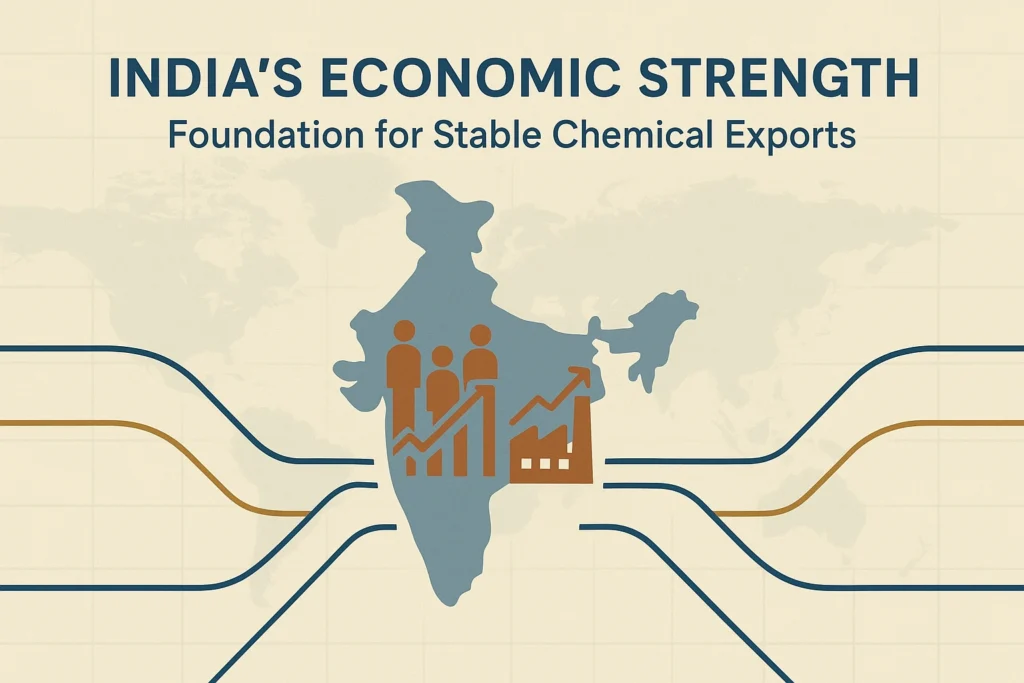
Not anymore. While many countries are contenders, India is making a strategic, multi-billion-dollar case that it’s not just an alternative, but a logistical powerhouse in the making. A quiet revolution in its ports, railways, and digital infrastructure is transforming the country into a remarkably efficient and reliable hub for chemical exports. This isn’t just about finding new suppliers; it’s about building a smarter, faster, and more transparent supply chain.
First, What Exactly is ‘China +1’ and Why Does It Matter for Chemicals?
The ‘China +1’ strategy isn’t about abandoning China. It’s a strategic move by companies to diversify their supply chains by adding at least one other sourcing location. As Z2Data aptly explains, this approach mitigates the risks of relying on a single country, which can be vulnerable to geopolitical tensions, trade policy shifts, and unforeseen disruptions (like a global pandemic).
For the chemical industry, this is particularly critical. A delay in a single specialty chemical or bulk intermediate can halt multi-million-dollar production lines. The need for a reliable, cost-effective, and compliant secondary source is no longer a strategic advantage—it’s an operational necessity.
India, with its massive chemical manufacturing base, has always been on the radar. But historically, concerns about logistics have made some buyers hesitate. That narrative is changing, and fast.
The Engine Room of Change: PM Gati Shakti and the National Logistics Policy
Think of India’s logistics transformation as a centrally planned project with one clear goal: make it easier, faster, and cheaper to move goods from factory to port. The two key drivers of this are:
- PM Gati Shakti: Launched in 2021, this is a national master plan for multi-modal connectivity. Instead of government departments working in silos (one building a road, another a railway), Gati Shakti uses a centralized digital platform to coordinate over 16 ministries. The result? Infrastructure projects are planned and executed together, eliminating gaps and creating seamless connections.
- National Logistics Policy (NLP): This policy works hand-in-hand with Gati Shakti to streamline processes. Its ambitious goal is to reduce logistics costs from a high 14-16% of GDP to a globally competitive benchmark of under 10%. It focuses on digitalization, process re-engineering, and skill development to support the new infrastructure.
For a procurement manager sourcing chemicals, these aren’t just abstract policies. They are the reason your future shipments from India will be faster, more predictable, and more cost-effective.
A Deep Dive: How New Infrastructure Directly Impacts Your Chemical Shipments
Abstract policies are one thing, but concrete and steel are what move your cargo. Here’s a look at the specific infrastructure upgrades that are making India a top-tier choice for sourcing of bulk, specialty, performance, and intermediate chemicals.
1. Dedicated Freight Corridors (DFCs): The “Superhighways” for Your Cargo
The Old Way: Freight trains shared tracks with passenger trains, leading to unpredictable delays and slow speeds. A container might crawl across the country, stopping frequently to let passenger services pass.
The New Reality: DFCs are exclusive, high-speed railway lines built only for freight. The Western DFC, for instance, connects major industrial hubs in Northern India directly to the massive ports of Jawaharlal Nehru Port (JNPT) and Mundra in the west.
Logistics Impact on Chemical Exports:
- Drastic Time Reduction: Transit times for cargo on DFC routes have been cut by over 50%. A journey that once took days now takes hours.
- Increased Capacity: DFCs can handle double-stack containers and longer, heavier trains, increasing throughput and efficiency.
- Predictability: By eliminating passenger traffic conflicts, DFCs offer scheduled, reliable transit times, allowing you to plan production with much greater accuracy. This is a game-changer for just-in-time supply chains.
2. Port Modernization: Deeper Drafts, Faster Turnaround
The Old Way: Port congestion, long waiting times for vessels, and limited capacity for handling hazardous or specialized chemical cargo created significant bottlenecks at the final stage of export.
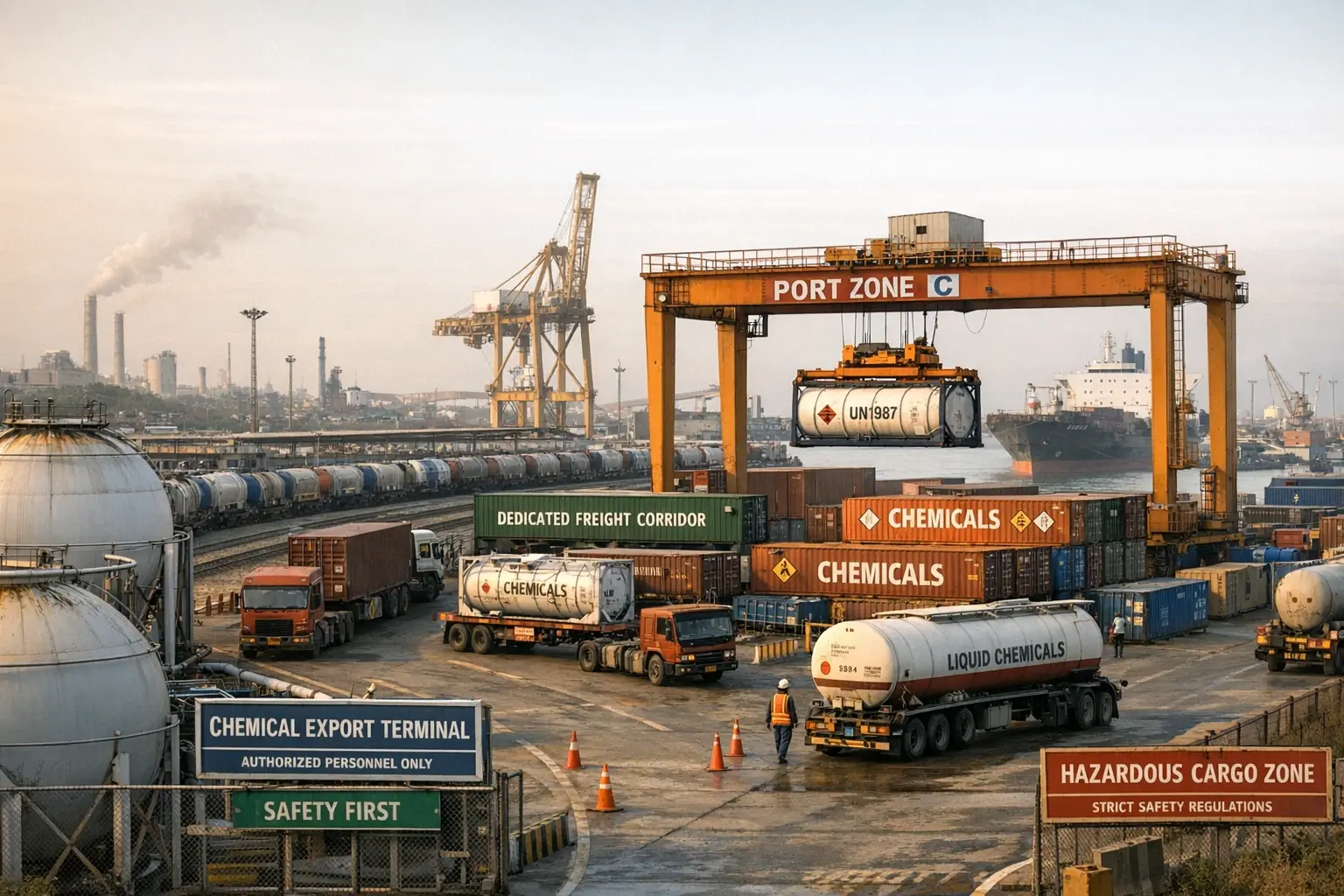
The New Reality: India’s major ports—like JNPT, Mundra, and Kandla—have undergone massive upgrades. This includes deepening drafts to accommodate larger vessels, investing in automated container terminals, and building dedicated chemical berths with specialized safety and handling infrastructure.
Logistics Impact on Chemical Exports:
- Faster Vessel Turnaround: Digital platforms like the Port Community System reduce paperwork and manual processes, cutting the time vessels spend at port.
- Enhanced Safety: Modernized ports have improved infrastructure for handling hazardous goods, ensuring compliance with International Maritime Organization (IMO) standards and reducing risks.
- Economies of Scale: The ability to handle larger ships means lower per-unit freight costs, making Indian chemicals more competitive on a landed-cost basis. A partner with expertise in seamless international logistics can leverage these upgrades to optimize your costs.
3. Multi-Modal Logistics Parks (MMLPs): The Smart Hubs of the Supply Chain
The Old Way: Warehousing, customs clearance, and transferring goods between trucks and trains were fragmented activities, often happening at different locations and managed by different entities.
The New Reality: MMLPs are massive, integrated logistics hubs being developed across the country. These parks offer warehousing, cold storage, customs clearance, and connectivity to both rail (DFCs) and road networks all in one place.
Logistics Impact on Chemical Exports:
- Reduced Handling: Consolidating services at one location minimizes the handling of chemical containers, lowering the risk of damage or contamination.
- Improved Efficiency: Seamlessly transferring cargo from DFCs to last-mile trucks reduces dwell time and storage costs.
- Value-Added Services: Many MMLPs will offer services like custom packaging, labeling, and quality checks, streamlining the export process even further.
Myth vs. Reality: Debunking Old Ideas About Indian Logistics
Myth: “Getting goods out of India is slow and plagued by bureaucracy.”
Reality: Digital initiatives like the Unified Logistics Interface Platform (ULIP) and e-way bills have unified documentation and created end-to-end visibility. Combined with DFCs and modernized ports, this has made the export process faster and more transparent than ever before.
Myth: “Indian infrastructure can’t handle the complex requirements of hazardous chemicals.”
Reality: Major chemical ports like Mundra and JNPT have invested heavily in dedicated terminals and hazardous cargo handling facilities that meet global standards. The key is working with a partner who understands the specific requirements and can ensure proper documentation and compliance, from COA/SDS management to GHS-compliant labeling.
Putting It All Together: A ‘China +1’ Journey Reimagined
Let’s revisit our procurement manager, Sarah, in Ohio. She needs to source a specialty agrochemical.
The Old Way (5 years ago): Her Indian supplier would truck the container to the nearest railhead. It would share tracks with passenger trains, taking 4-5 days to reach the port. At the congested port, it might wait another 2-3 days for a vessel. The entire inland journey would be a black box with little visibility, making it impossible to give her production team a firm ETA.
The New Way (Today):
- The container is loaded at the factory in Gujarat and trucked a short distance to an MMLP.
- At the MMLP, it’s loaded onto a double-stack train on the Western DFC.
- The train travels directly to JNPT in under 24 hours, with real-time tracking available via ULIP.
- At the modernized port, it’s processed through a digital gate and loaded onto a vessel within a day.
Sarah now has a predictable, 48-hour factory-to-ship timeline. She has full visibility, lower inland logistics costs, and the confidence to integrate this new supply line seamlessly into her production schedule. This is the tangible result of India’s logistics revolution.
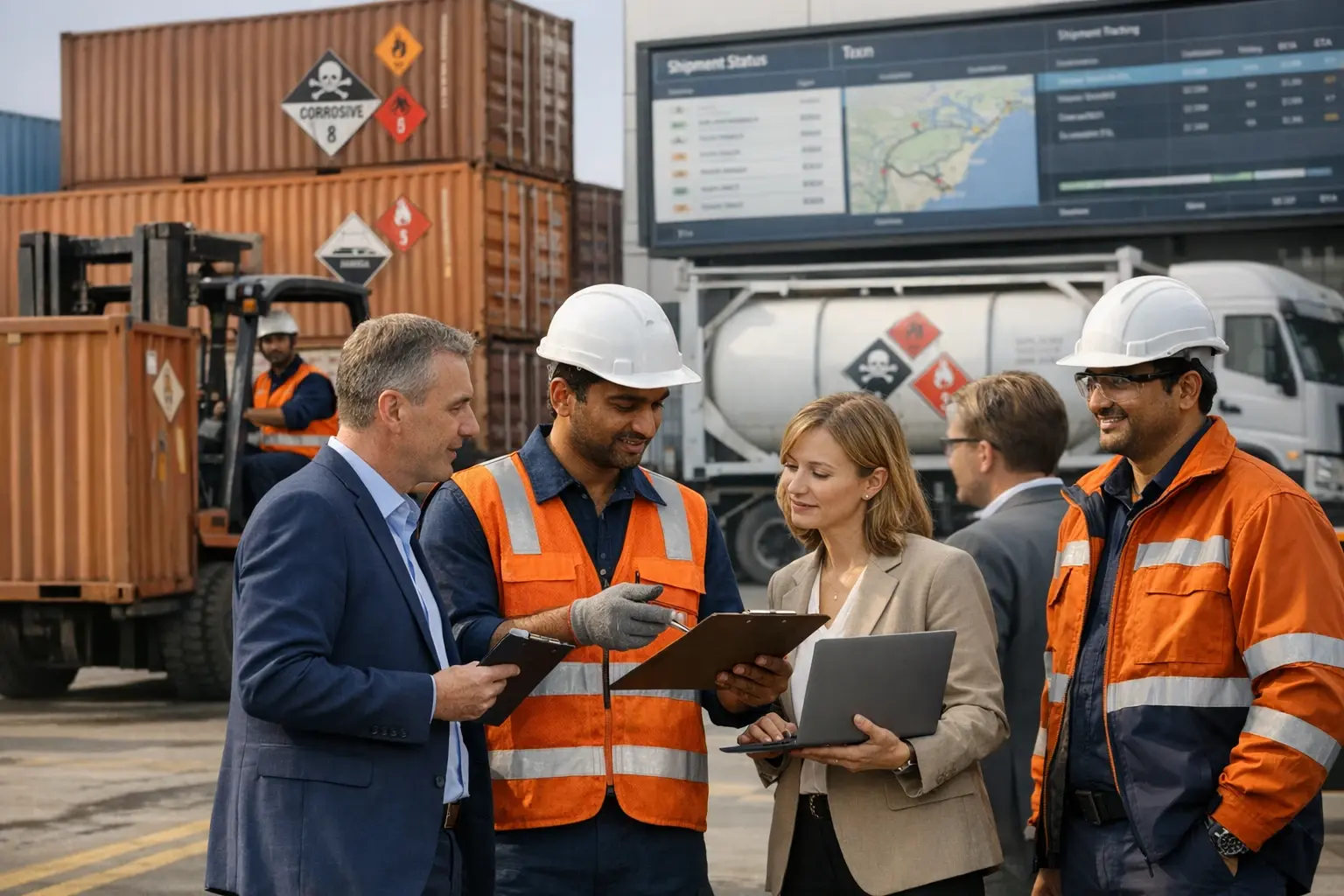
Your Next Move: Leveraging India’s Advantage
The ‘China +1’ strategy is no longer just about diversification; it’s about finding a partner that offers a true competitive advantage. India’s massive investment in logistics infrastructure is creating precisely that.
However, navigating this evolving landscape requires on-the-ground expertise. The crucial next step is working with a partner who can connect you with the right manufacturers and leverage this new infrastructure to its full potential. A partner who bridges Western expectations with India’s expansive supplier ecosystem ensures you get the benefits of these advancements without the operational risks.
By understanding these developments, you can move beyond the outdated myths and see India for what it is becoming: a world-class, reliable, and efficient hub for global chemical sourcing.
Frequently Asked Questions (FAQ)
What is PM Gati Shakti in simple terms?
PM Gati Shakti is a massive Indian government initiative that uses a digital platform to coordinate all infrastructure development, like roads, railways, ports, and airports. The goal is to build these things together in a synchronized way to eliminate gaps and create a truly seamless, multi-modal logistics network. For chemical exporters, it means faster and more reliable connections from factories to ports.
How do Dedicated Freight Corridors (DFCs) specifically help with chemical exports?
DFCs are like exclusive highways for freight trains. By separating freight from passenger traffic, they offer two huge benefits for chemical shipments: speed and predictability. They drastically cut down inland transit times (e.g., from 3-4 days to under 24 hours on key routes) and allow for scheduled, reliable deliveries to ports, which is crucial for planning production schedules.
Are Indian ports properly equipped to handle hazardous or specialty chemicals?
Yes, major ports like JNPT (Mumbai), Mundra, and Hazira have made significant investments in dedicated chemical handling terminals. These facilities are designed to meet international safety and environmental standards (like IMO regulations for hazardous goods), with features like specialized storage tanks, automated handling systems, and robust safety protocols. The key is ensuring your logistics partner performs rigorous supplier qualification to confirm they meet these port-specific requirements.
Will these logistics improvements actually lower my total landed cost?
Yes, in several ways. Faster transit times and reduced dwell time at ports mean lower inventory carrying costs and demurrage charges. Increased efficiency and the ability to use larger vessels create economies of scale, reducing ocean freight costs. Finally, a more streamlined system reduces the risk of costly delays and disruptions. When you get a transparent landed-cost structure, you’ll see how these efficiencies translate into direct savings.