Imagine this: You’re a procurement director tasked with diversifying your chemical supply chain. The “China +1” strategy is no longer a talking point; it’s a board-level mandate. Your eyes are on South Asia, specifically the manufacturing powerhouses of India and Bangladesh. The price is right, the capacity is there, but a critical question looms: How do you navigate the complex world of Environmental, Social, and Governance (ESG) standards in two very different landscapes?
Get it wrong, and you risk supply disruptions, regulatory penalties, and brand damage. Get it right, and you build a resilient, ethical supply chain that becomes a competitive advantage.
This isn’t just about ticking boxes on an audit form. It’s about understanding the deep-seated differences in how these two nations approach sustainability and compliance. This guide is designed to be your first step, a conversation over coffee about the realities on the ground.
Foundation: Understanding the Two ESG Landscapes
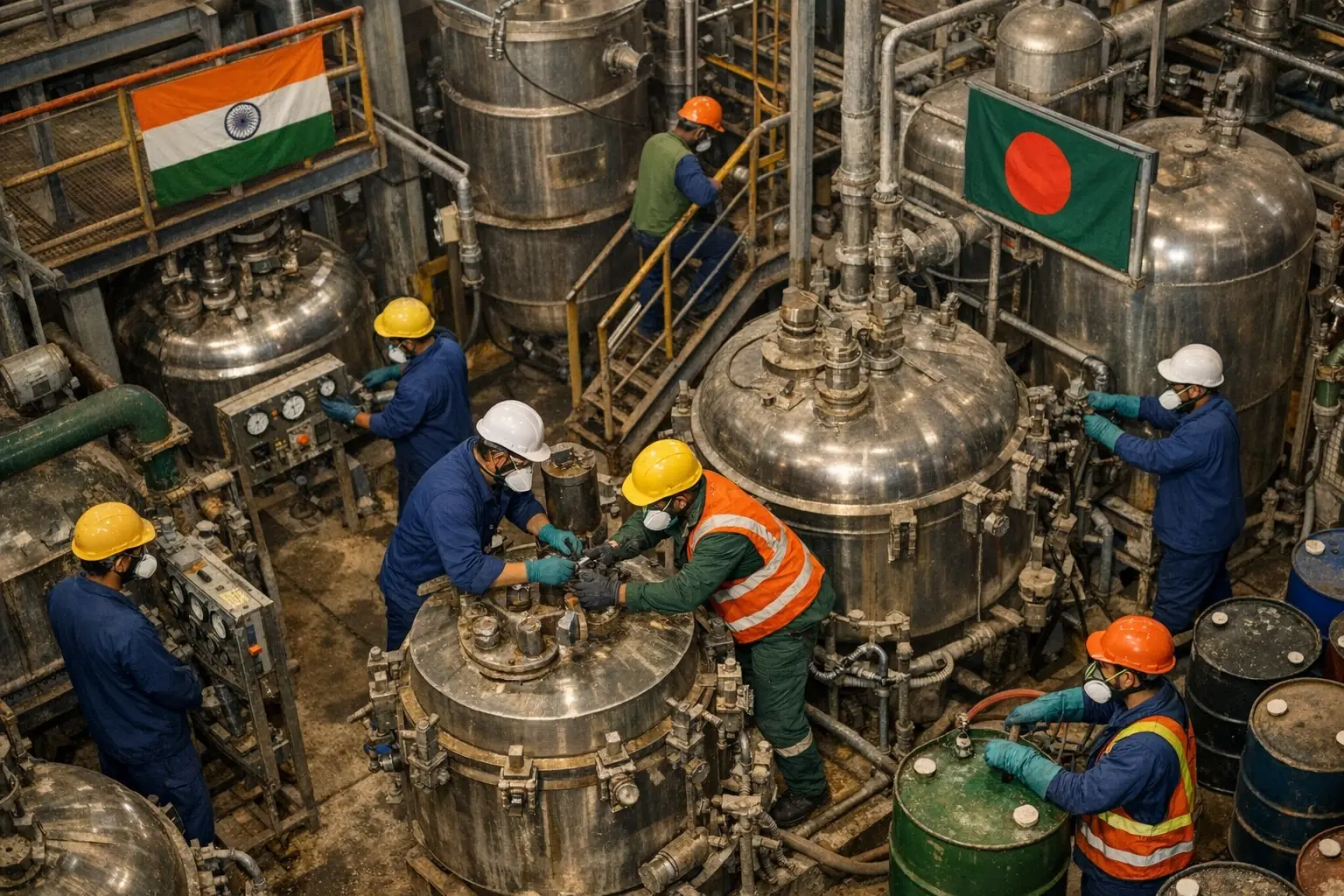
Before we compare, it’s crucial to understand the why behind each country’s ESG journey. Their paths have been shaped by different forces, leading to distinct regulatory environments and on-the-ground realities.
India: A Top-Down, Regulatory-Driven Approach
India’s ESG story is increasingly being written by its regulators. The government and bodies like the Securities and Exchange Board of India (SEBI) are actively creating a formal, structured compliance ecosystem.
- The Key Driver: Mandated Reporting. The introduction of the Business Responsibility and Sustainability Reporting (BRSR) framework is a game-changer. As detailed by India Briefing, this mandate requires the top 1,000 listed companies to disclose their ESG performance across nine core principles, creating a ripple effect of transparency down the supply chain.
- The Mindset: For many Indian manufacturers, ESG is evolving from a “nice-to-have” into a formal requirement for accessing capital and serving large corporate customers. This creates a more predictable, albeit complex, environment for custom procurement and auditing.
Bangladesh: A Bottom-Up, Buyer-Driven Evolution
Bangladesh’s ESG narrative has been profoundly shaped by international pressure, particularly following industrial tragedies like the 2013 Rana Plaza collapse. The garment industry became a testing ground for reforms, with lessons now permeating other sectors like manufacturing.
- The Key Driver: International Buyer Demand. Global brands, responding to consumer and investor pressure, have been the primary force pushing for improved labor and safety standards.
- The Mindset: Compliance is often seen as a prerequisite for market access, especially to Europe and North America. While formal regulations are emerging, the most powerful enforcement often comes from the standards set by major international customers.
The Deep Dive: Comparing ESG Maturity & Enforceability
This is where procurement leaders need to pay close attention. A standard on paper means little without robust enforcement. Here’s a comparative look at the chemical and manufacturing sectors.
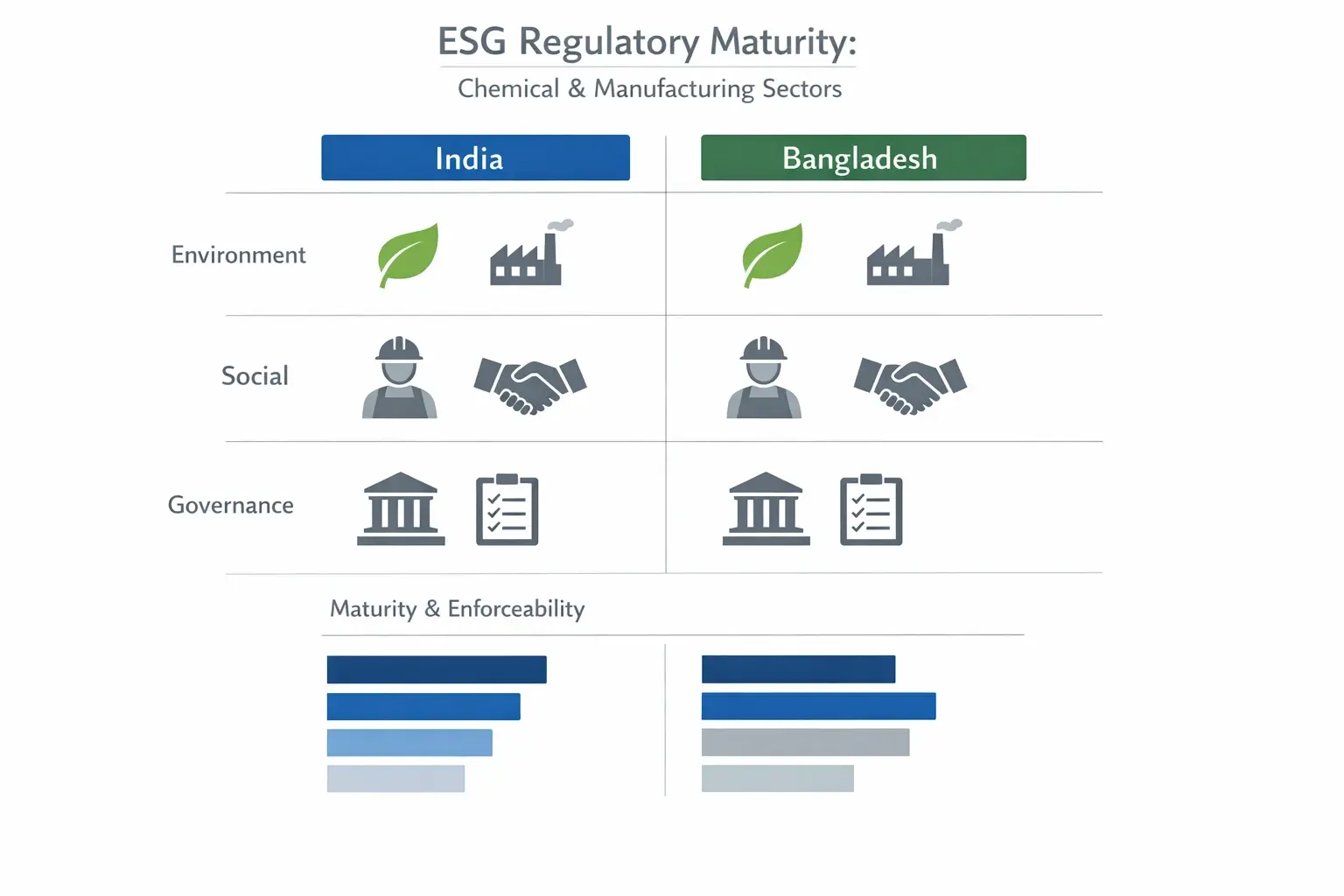
Environmental Standards: Beyond the Checklist
In the chemical sector, environmental compliance is non-negotiable. Hazardous waste management, emissions control, and water usage are critical risk areas.
- India: Possesses a more mature and complex web of environmental laws, including the Water Act, Air Act, and Environmental Protection Act. Enforcement is managed by central and state pollution control boards. The challenge? Enforcement can be inconsistent across states, requiring diligent, localized supplier qualification to verify actual compliance versus paperwork.
- Bangladesh: Environmental regulations exist but are generally less stringent and less consistently enforced than in India. The Department of Environment (DoE) oversees compliance. For many suppliers, the most rigorous environmental standards they adhere to are those demanded by their EU or US-based clients.
Social & Labor Practices: The People Behind the Product
This is where the difference in drivers becomes most apparent.
- India: Has a vast and intricate set of labor laws, some dating back decades. These cover everything from minimum wages to factory safety and working hours. However, the sheer scale of the country and the size of the informal economy make universal enforcement a significant challenge. Audits require a deep understanding of local laws and practices.
- Bangladesh: The legacy of Rana Plaza led to significant international intervention and the creation of bodies like the Accord on Fire and Building Safety. This has resulted in tangible safety improvements, primarily in the garment sector. As the Ethical Trading Initiative highlights, however, persistent issues around wages and worker empowerment remain, often exacerbated by the purchasing practices of international buyers.
Governance & Transparency: The Trust Factor
Governance is the glue that holds ESG together. It’s about anti-corruption policies, ethical business practices, and supply chain transparency.
- India: The Companies Act of 2013 and the BRSR framework mandate higher levels of corporate governance and disclosure, particularly for larger companies. This formal structure provides a clearer baseline for audits.
- Bangladesh: Governance standards are developing. While progress has been made, establishing transparent practices often relies more heavily on building strong, trust-based relationships and conducting thorough due diligence, as the formal reporting infrastructure is less mature.
From Theory to Practice: Navigating Audits & Driving Improvement
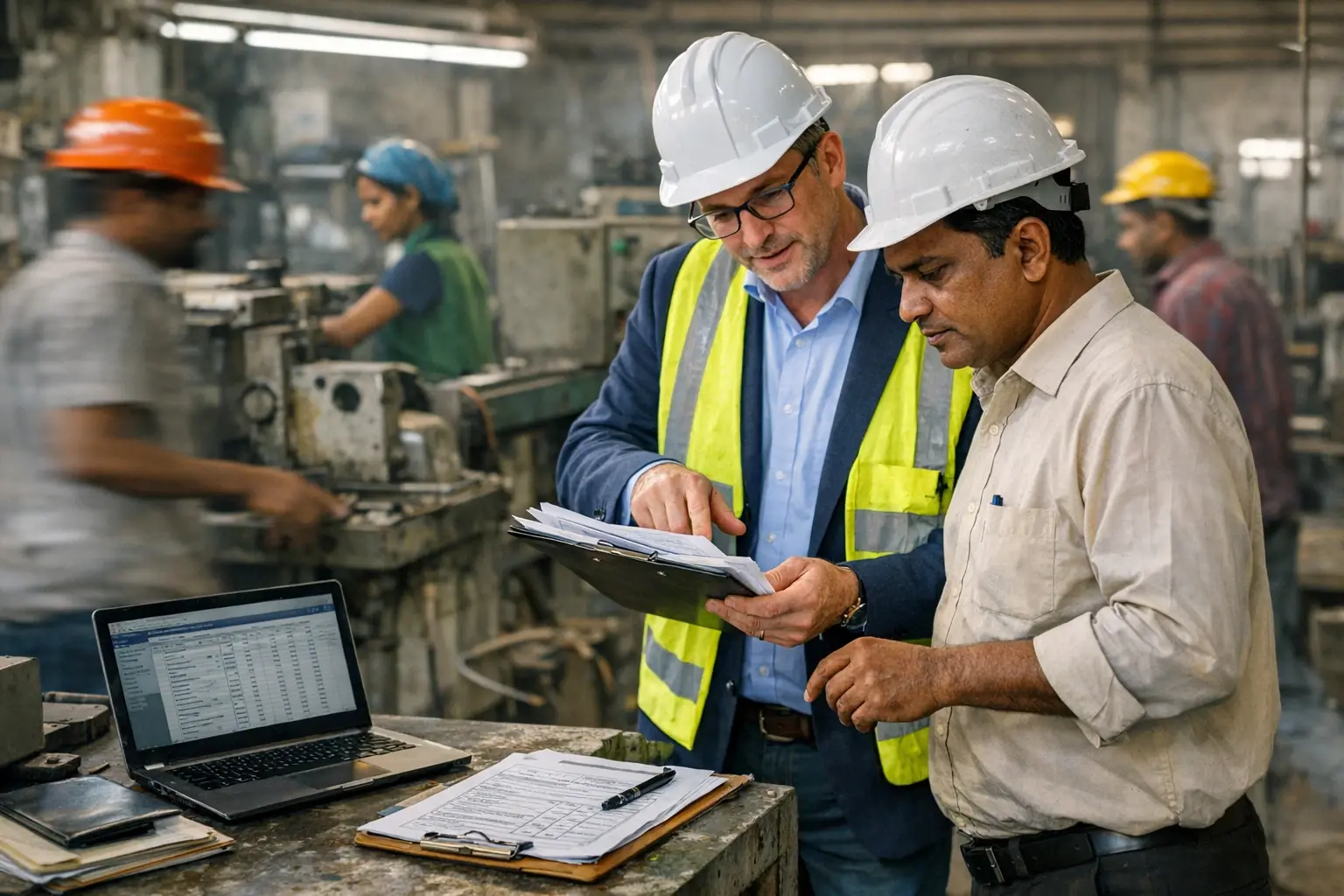
Knowing the differences is one thing; acting on them is another. Many companies find themselves facing “audit fatigue”—a cycle of repetitive, surface-level checks that don’t drive real change.
The ‘Aha Moment’: Your Purchasing Practices Shape ESG Outcomes
Here’s a crucial insight that often gets missed: your own company’s purchasing habits directly impact your suppliers’ ability to meet ESG standards. Research from the Ethical Trading Initiative confirms that pressuring suppliers for rock-bottom prices and impossibly fast turnarounds is a leading cause of poor working conditions in both India and Bangladesh.
When a supplier is forced to cut corners to meet your deadline or price point, they aren’t cutting from their profit margin—they’re cutting from safety investments, fair wages, and environmental controls. The most effective compliance support strategy starts with evaluating your own practices.
Overcoming Audit Fatigue: A Smarter Approach
Instead of just checking boxes, a strategic audit process for a dual-country supply chain should focus on:
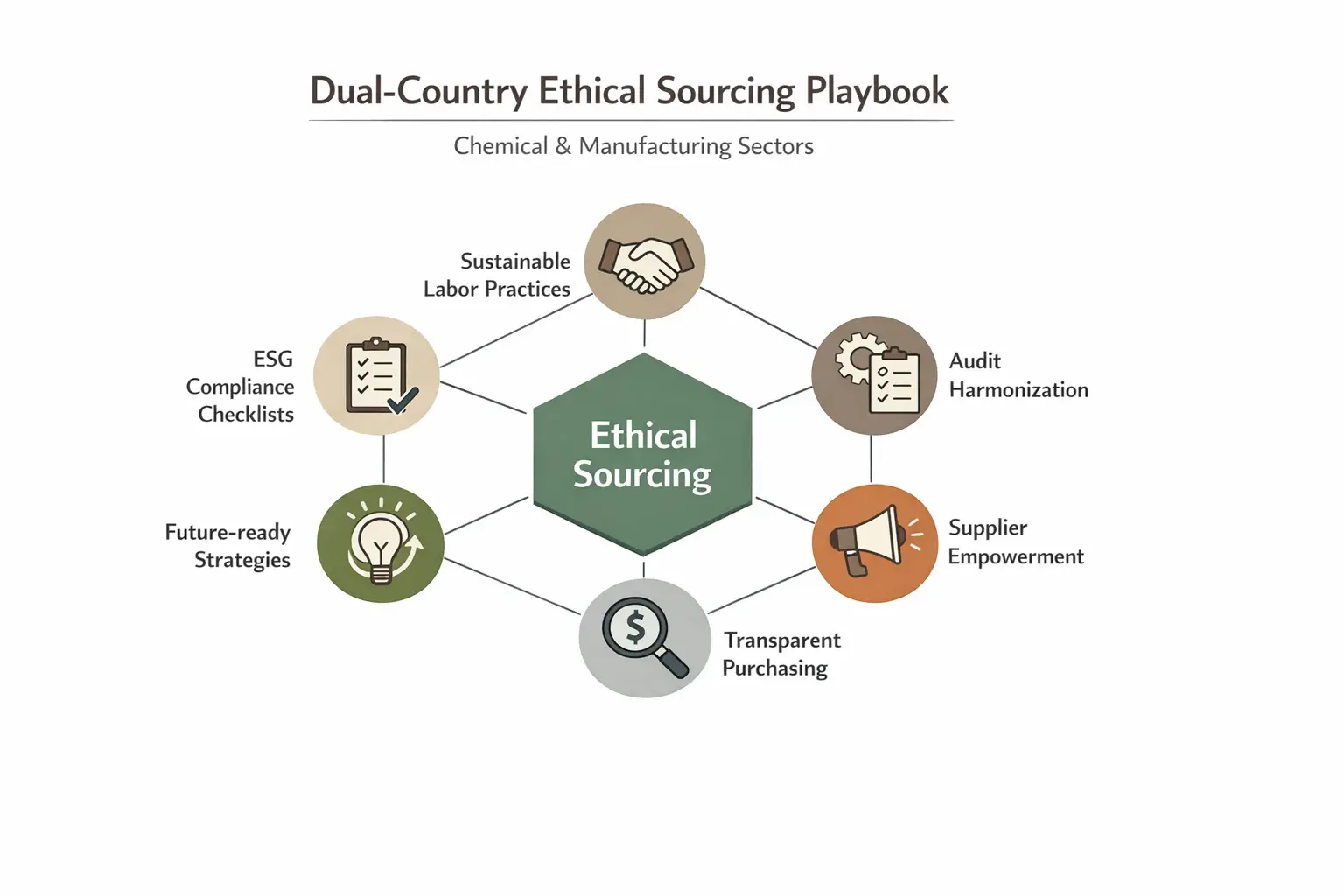
- Harmonizing Standards: Establish a single code of conduct based on international best practices that can be applied to suppliers in both countries, while still respecting local laws.
- Data Verification: Don’t just accept a certificate at face value. A true partner needs boots on the ground to verify data, speak with workers, and observe practices firsthand.
- Building Capacity: The goal isn’t just to catch non-compliance; it’s to fix it. Work collaboratively with suppliers to develop corrective action plans and invest in training to improve their systems.
Your Ethical Sourcing Playbook: A Comparative Checklist
As you evaluate potential partners in the chemical and manufacturing sectors, use this framework to guide your due diligence and ensure you have full visibility from sourcing to delivery.
| Evaluation Area | Key Question for India Suppliers | Key Question for Bangladesh Suppliers |
|---|---|---|
| Environmental | Can you provide state-level pollution control board certifications and demonstrate consistent hazardous waste disposal records? | How do you meet the specific environmental standards required by your European/US clients? Can you show proof of these audits? |
| Social & Labor | How do you manage compliance with the complex web of central and state-level labor laws, especially concerning contract workers? | Can you demonstrate adherence to international safety standards (e.g., building, fire, electrical) and show a track record of worker well-being programs? |
| Governance | Are you compliant with BRSR reporting (if applicable)? Can you demonstrate a clear anti-corruption policy and transparent record-keeping? | What is your process for ensuring supply chain transparency? How do you vet your own upstream raw material suppliers? |
| Partnership | Are you willing to collaborate on a long-term corrective action plan and provide full transparency during unannounced spot checks? | Are you open to a partnership model that prioritizes stable, fair pricing and realistic lead times over short-term cost-cutting? |
Ultimately, successful sourcing in South Asia requires moving beyond a transactional mindset. It’s about building resilient, ethical partnerships with suppliers who share your commitment to quality and integrity, backed by a robust system of export logistics to ensure seamless delivery.
Frequently Asked Questions (FAQ)
What is the main difference between ESG in India and Bangladesh?The simplest way to think about it is “push versus pull.” India’s ESG landscape is increasingly being “pushed” by formal government regulations like BRSR. Bangladesh’s progress has largely been “pulled” by the demands of international buyers, especially in the wake of industrial accidents.
Is ESG reporting mandatory in India?Yes, for certain companies. The BRSR framework mandates ESG reporting for the top 1,000 listed companies by market capitalization. This requirement is creating a cascading effect, as these large firms now demand more transparency from their own suppliers.
How can I verify the data from a supplier’s ESG audit?Paperwork is only the starting point. True verification requires an on-the-ground presence. This includes physical site inspections, confidential worker interviews, cross-referencing documents (like energy bills vs. production logs), and a deep understanding of local nuances to spot red flags.
Why is the “G” in ESG (Governance) so important when sourcing?Strong governance is the foundation for reliable E and S performance. A supplier with weak governance, poor record-keeping, or a lack of transparency is far more likely to have hidden environmental or labor issues. It’s a leading indicator of overall operational risk and integrity.
Navigating the sourcing landscapes of India and Bangladesh requires more than a map—it requires an experienced guide. By understanding the unique ESG drivers and challenges in each country, you can make smarter decisions, mitigate risk, and build a supply chain that is not only cost-effective but also responsible and resilient for the future.