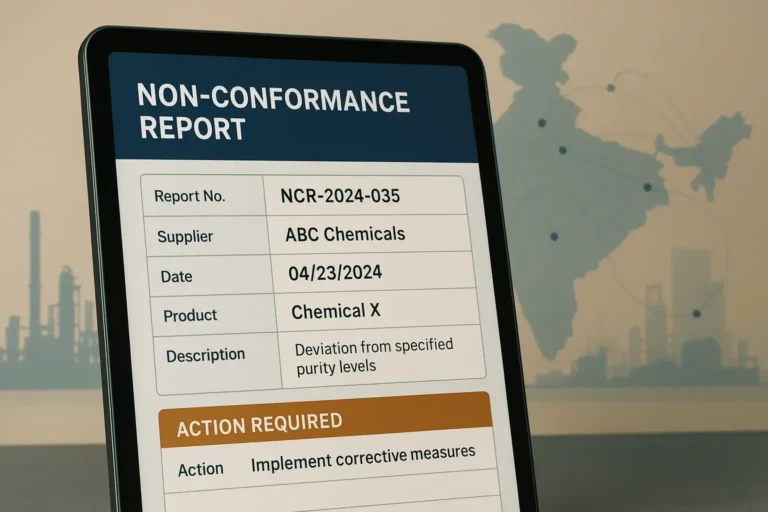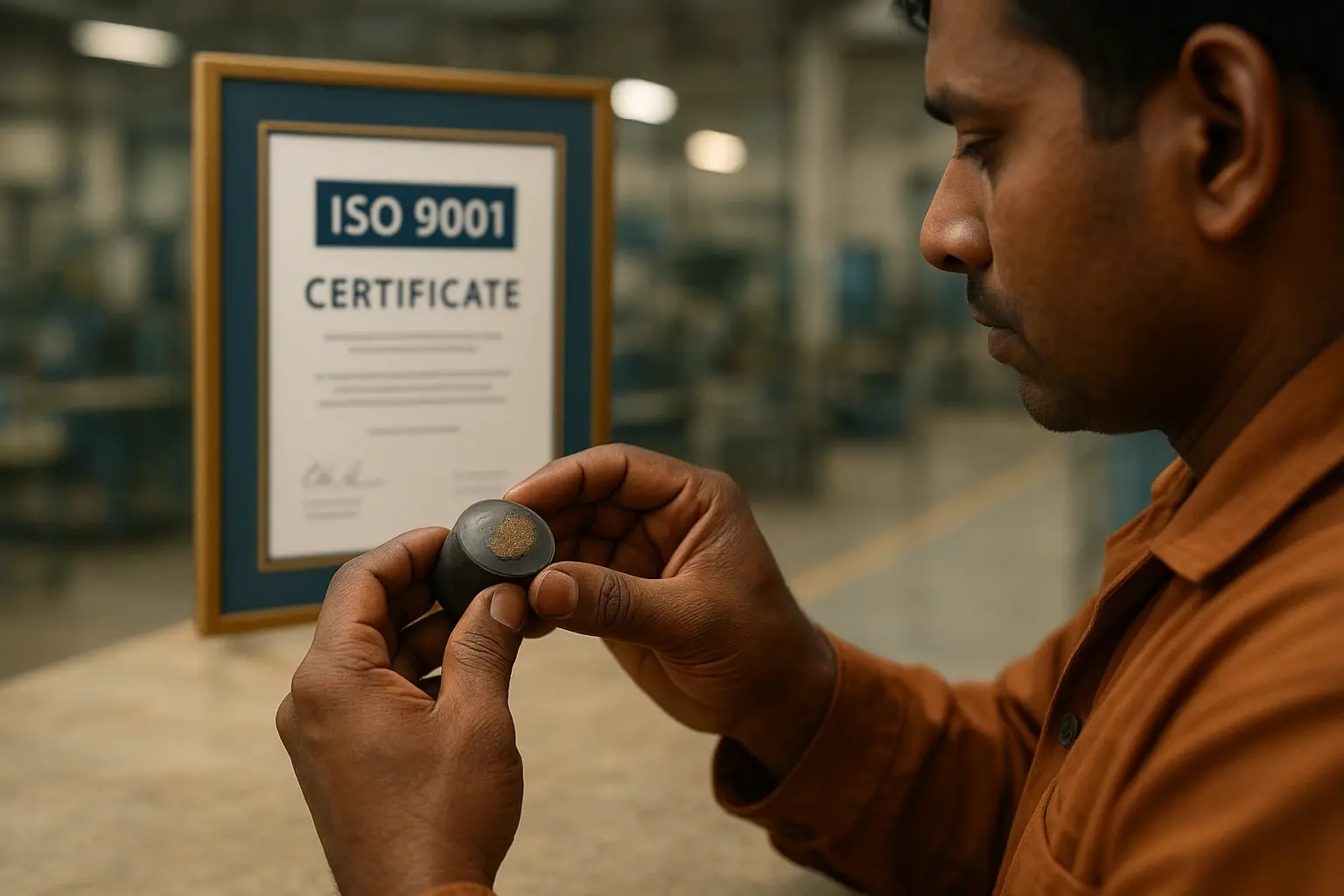
You have the supplier’s ISO 9001 certificate framed on your wall—a symbol of quality and reliability. Yet, the chemical batches arriving at your plant are inconsistent. One shipment is perfect; the next is slightly off-spec, causing production headaches. The documentation is always in order, but the reality on your factory floor tells a different story.
This frustrating gap between paperwork and performance is a common story for Western companies sourcing from India. The problem isn’t the Quality Management System (QMS) itself. The problem is that a certificate on the wall doesn’t guarantee a quality culture on the factory floor.
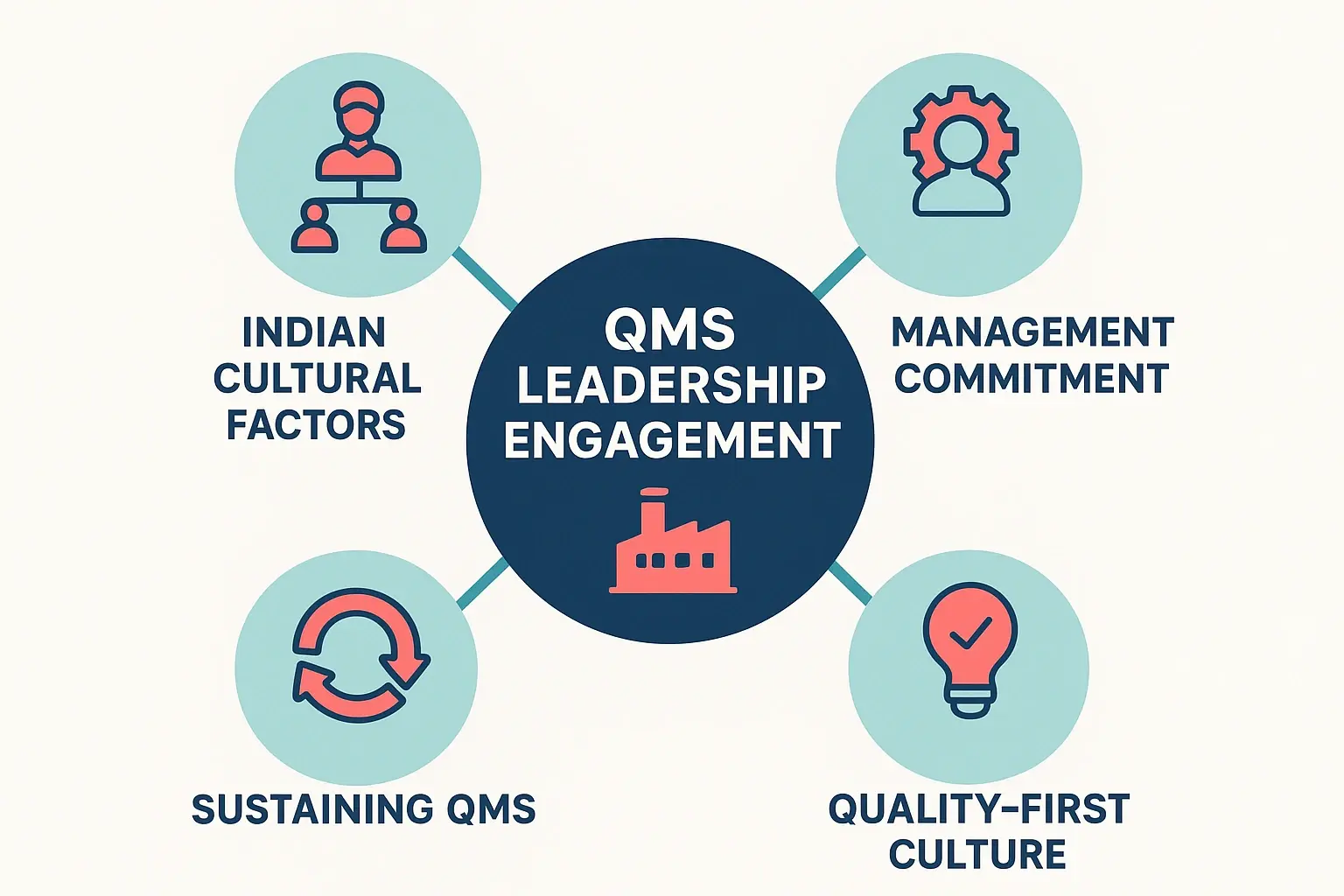
True, sustainable quality doesn’t come from an audit; it comes from deep-seated leadership engagement and genuine cultural buy-in. And in the unique context of Indian manufacturing, achieving this requires a far more nuanced approach than simply implementing a generic global standard. This guide will walk you through why that is and, more importantly, what you can do about it.
The Foundation: Understanding Quality Beyond the Checklist
Before diving into the specifics of the Indian context, let’s clarify what we mean by these core concepts. Many guides explain the “what,” but few explain the “why” in a way that truly resonates with the challenges of global sourcing.
What is a Quality Management System (QMS) Really?
Most people think of a QMS as a set of documents, procedures, and responsibilities required for ISO 9001 certification. While technically true, this view is dangerously incomplete.
Think of it this way: a cookbook lists ingredients and instructions (the QMS documents), but it doesn’t make you a great chef. A great chef understands the principles behind the recipe—how heat changes texture, how acidity balances fat.
A sustainable QMS is the operating philosophy of the entire factory. It’s a living system that guides how people think, act, and make decisions about quality every single day, not just when an auditor is coming. It’s about building quality into the process, not just inspecting it at the end.
“Leadership Engagement”: More Than Just a Memo
Leadership engagement isn’t a single action; it’s a continuous, visible commitment. In many factories, leaders “support” quality by signing off on the QMS budget and telling everyone to follow the new rules. This is delegation, not engagement.
True engagement looks like this:
- Visible Participation: Leaders are physically present on the factory floor, asking questions about quality challenges.
- Resource Allocation: They don’t just approve a budget; they champion investments in better equipment, training, and technology that directly improve quality.
- Data-Driven Decisions: They use quality metrics not to assign blame, but to understand systemic issues and guide strategic improvements.
- Accountability: They hold themselves and their teams accountable to quality standards, making it clear that shortcuts are unacceptable.
The Critical Difference: Compliance vs. Cultural Buy-in
This is the heart of the matter.
- Compliance is doing something because you have to. It’s about following the rules to pass an audit and avoid penalties. Compliance is fragile; it often disappears when no one is watching.
- Cultural Buy-in is doing something because you believe in it. It’s a shared understanding across the entire organization—from the CEO to the newest machine operator—that quality is everyone’s responsibility and benefits everyone. This is a robust, self-policing system built on pride and ownership.
A certificate proves compliance. Consistent product and reliable delivery prove cultural buy-in.
The “Aha Moment”: Why Generic QMS Models Stumble in India
The step-by-step QMS implementation guides you find online are often written from a Western perspective. They assume a certain organizational culture that doesn’t always map cleanly onto the realities of Indian manufacturing. Ignoring these nuances is why so many well-intentioned quality initiatives fail to stick.
Here are a few key cultural dynamics that must be understood:
- Hierarchical Structures: Deference to authority is a strong cultural value. While this can be an asset for implementing directives, it can also stifle bottom-up feedback. An operator might see a potential quality issue but hesitate to report it to their supervisor for fear of overstepping or causing trouble. A generic QMS that relies on proactive employee feedback will fail without specific mechanisms to bridge this hierarchical gap.
- The Importance of Relationships: In India, business is often deeply personal. Trust is built on relationships, not just contracts and procedures. A top-down QMS mandate delivered by an external consultant can be seen as impersonal and may be met with passive resistance. Engagement strategies must be built around fostering relationships and demonstrating how quality benefits the team personally.
- Communication Styles: Communication can be less direct and more nuanced. A simple “yes” might mean “I understand what you are saying,” not “I agree and will do it.” Leaders must learn to ask open-ended questions and create a safe environment for teams to voice genuine concerns or confusion.
Simply installing a QMS without adapting it to these realities is like trying to run software on an incompatible operating system. It might look like it’s working, but it will crash under pressure.
Building the Bridge: Strategies for Lasting Success
So, how do you move from a fragile, compliance-based system to a resilient, culture-based one in the Indian context? It requires a deliberate, two-pronged approach focused on securing leadership commitment and then cascading that commitment throughout the organization.
Phase 1: Securing True Leadership Engagement
You can’t have a quality culture without genuinely engaged leaders. The goal is to shift their perspective from seeing QMS as a cost center to seeing it as a strategic driver of profitability and growth.
- Speak Their Language (ROI): Frame quality in terms of business outcomes. Don’t just talk about “defect rates”; talk about the cost of rework, wasted materials, and delayed shipments. Show data on how a 1% improvement in product consistency can lead to a 5% increase in repeat orders from international clients.
- Start with a Pilot Program: Instead of a factory-wide overhaul, propose a pilot QMS project on a single production line. This lowers the perceived risk and provides an opportunity to create a clear, localized success story with measurable results that can be used to win over skeptical stakeholders.
- Identify and Empower a “Quality Champion”: Find a respected mid-level manager who is passionate about quality. Give them the training, authority, and resources to lead the QMS initiative. This internal champion will be far more effective at navigating cultural dynamics and building trust than an outsider.
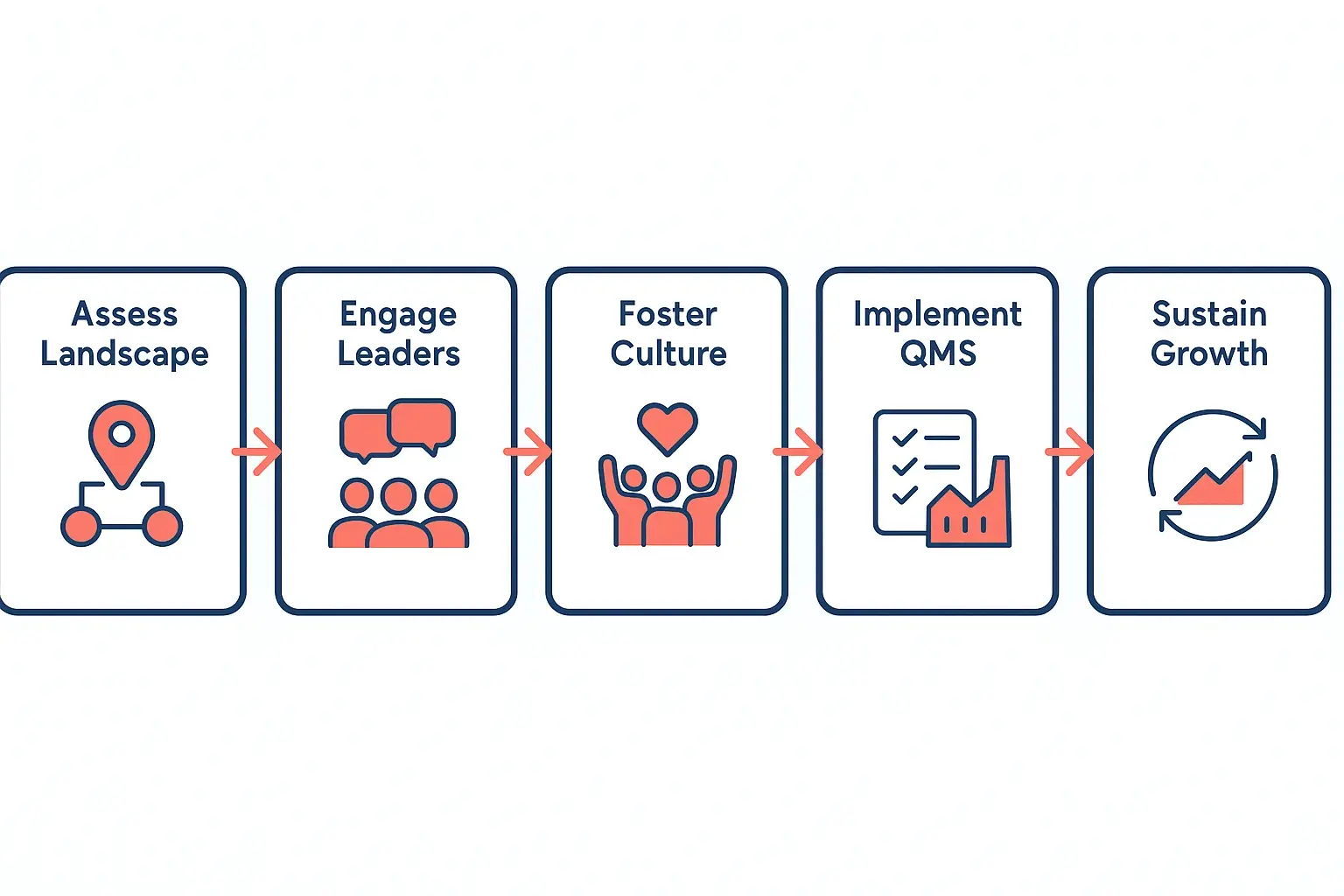
Phase 2: Fostering a Pervasive Quality Culture
Once leadership is on board, the focus shifts to embedding quality principles into the daily work of every employee.
- Make it Visual and Simple: Don’t just hand out a 100-page manual. Use visual aids, posters (in local languages), and simple one-point lessons to communicate key quality standards right at the workstation.
- Celebrate Small Wins Publicly: When a team successfully reduces defects or suggests a process improvement, celebrate it. Public recognition reinforces desired behaviors and shows that management is genuinely paying attention.
- Train, Train, and Retrain: Training isn’t a one-time event. Conduct regular, short, hands-on training sessions focused on practical skills. Frame it not as “correcting mistakes” but as “professional development” that makes employees more valuable.
- Create Feedback Loops: Establish formal, no-blame channels for employees to report quality issues and suggestions. This could be a simple suggestion box, regular team huddles, or a dedicated quality circle. The key is to act on the feedback and communicate the results back to the team, closing the loop and building trust.
The Sourcing Pros Method: A Framework for Sustainable Quality
Achieving this level of cultural transformation requires more than a checklist; it requires an integrated approach. At Sourcing Pros, our boots-on-the-ground presence allows us to work directly with factory partners to implement a holistic framework that bridges the gap between Western expectations and Indian operational realities. Our model is built on three essential pillars.
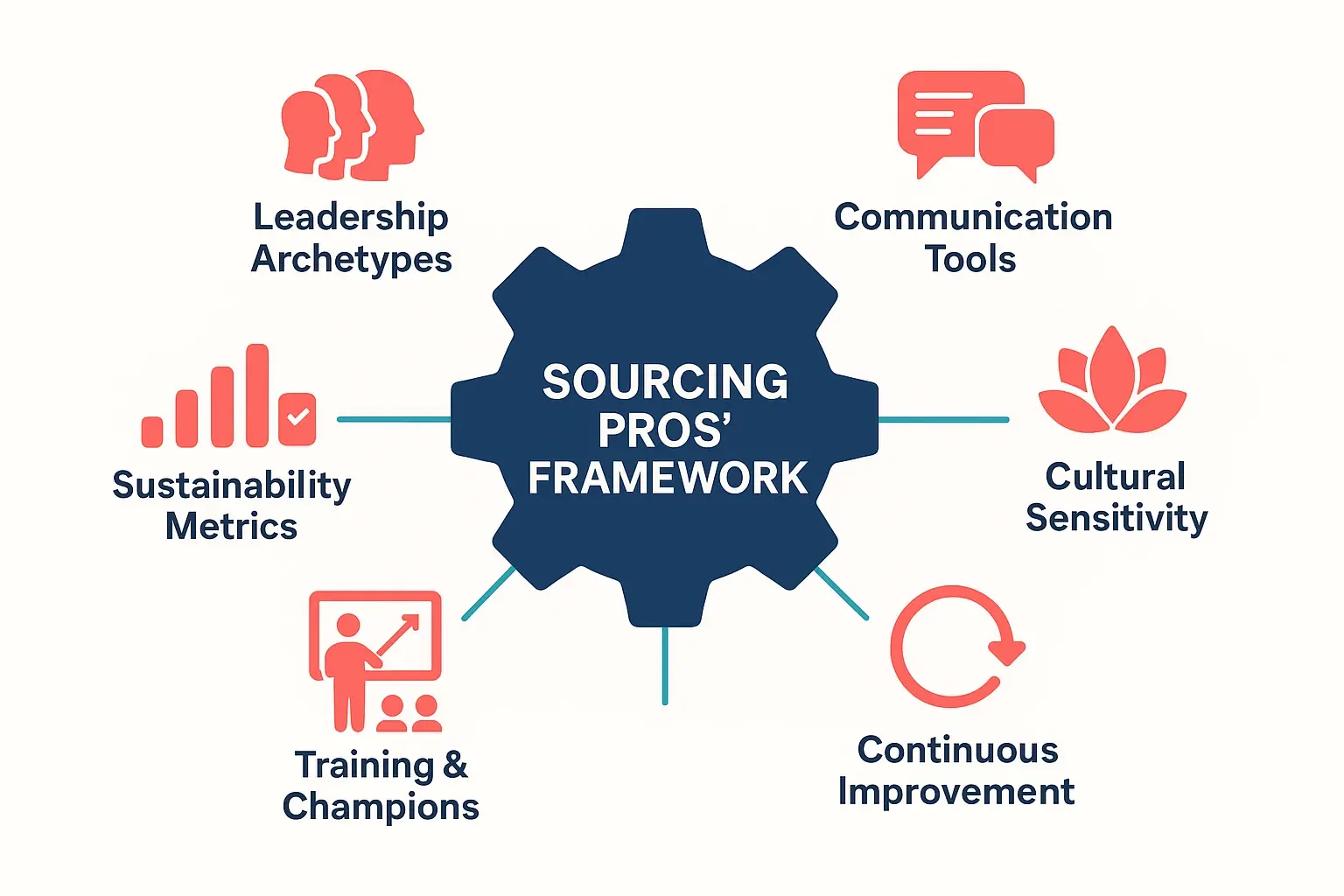
- Cultural Alignment & Leadership Coaching: We don’t just audit processes; we engage with management to align QMS goals with their business objectives.
- System Co-Creation & Simplification: We work with factory teams ensuring they have QMS procedures in place as per their specific environment.
- Continuous Verification & Improvement: Our on-ground teams provide ongoing support, moving beyond periodic audits to continuous verification. We help partners analyze data, identify root causes, and implement lasting improvements, ensuring that the quality culture doesn’t just get implemented—it gets stronger over time. This is a core component of our end-to-end supply-chain management philosophy.
FAQ: Your QMS Questions Answered
What are the first steps to implement a QMS in an Indian factory?
The first step isn’t writing documents; it’s assessment. Understand the existing culture, identify key leaders and influencers, and conduct a gap analysis to see where their current processes stand against your quality requirements. Start small with a pilot project to prove the concept and build momentum.
How does organizational culture truly impact QMS success?
Culture dictates behavior when no one is watching. If the culture rewards speed over precision, employees will cut corners on quality to meet production targets. If the culture fosters fear of speaking up, problems will be hidden until they become crises. A positive quality culture makes doing the right thing the easiest and most rewarding path for everyone.
What are the most common mistakes to avoid?
- The “Top-Down Mandate”: Imposing a generic QMS without involving the people who will actually use it.
- Focusing Only on Certification: Treating the audit as the finish line, leading to a loss of focus and momentum immediately after.
- Ignoring the “Why”: Failing to explain to every employee how their specific role impacts final product quality and customer satisfaction.
How long does it take to build a true quality culture?
Building a culture is a marathon, not a sprint. Initial improvements and QMS implementation can happen in 6-12 months, but embedding it as a self-sustaining culture can take 2-3 years of consistent effort and leadership commitment.
The Journey Beyond Certification
The certificate on the wall is just the beginning of the journey. True supply chain resilience and consistent product quality come from partnering with suppliers who have moved beyond mere compliance to cultivate a deep, organization-wide culture of excellence.
By understanding the unique cultural landscape of Indian manufacturing and championing a more nuanced, people-centric approach to quality, you can build supplier relationships that are not only reliable and predictable but also a true source of competitive advantage. It’s about moving from a transactional sourcing relationship to a transformative partnership.